Understanding Gebrauchtmaschinen: A Comprehensive Overview
In the ever-evolving landscape of industrial manufacturing, the term Gebrauchtmaschinen, or used machinery, has gained significant traction among businesses seeking cost-effective and efficient solutions. With the rapid advancement of technology, many companies are turning to the second-hand market to procure machinery that not only meets their operational needs but also aligns with sustainability goals. Understanding the intricacies of this market is essential for business owners and procurement managers alike.
When exploring options, Gebrauchtmaschinen provides comprehensive insights into the benefits and considerations of purchasing used equipment. Such insights are invaluable when navigating the complexities of the used machinery market.
What are Gebrauchtmaschinen?
Gebrauchtmaschinen refer to pre-owned industrial equipment that has been previously utilized in various manufacturing processes. These machines can range from CNC lathes, milling machines, to injection molding systems, offering a diverse inventory for prospective buyers. They serve as a practical alternative to new machines, often providing similar capabilities at a fraction of the cost.
The Importance of Quality in Used Machinery
When it comes to purchasing used machinery, quality is paramount. Quality assurance ensures that the machines can operate efficiently without frequent breakdowns, which can lead to costly downtimes. Buyers should always look for vendors that provide detailed histories of the machines, including maintenance logs and operational performance data, to assess their reliability.
Key Industries Utilizing Gebrauchtmaschinen
Several industries benefit greatly from the use of Gebrauchtmaschinen. These include:
- Metal Processing: Companies often seek used CNC machines for metal fabrication, leveraging their precision and efficiency.
- Plastic Industry: Machinery such as injection and blow molding machines are routinely refurbished and sold in this sector.
- Food Processing: Used packaging and processing machines that comply with safety standards find a ready market among food manufacturers.
- Woodworking: Equipment like saws, routers, and lathes are crucial for this industry, and high-quality used options are often available.
Evaluating Gebrauchtmaschinen: Best Practices
Inspection Techniques for Buyers
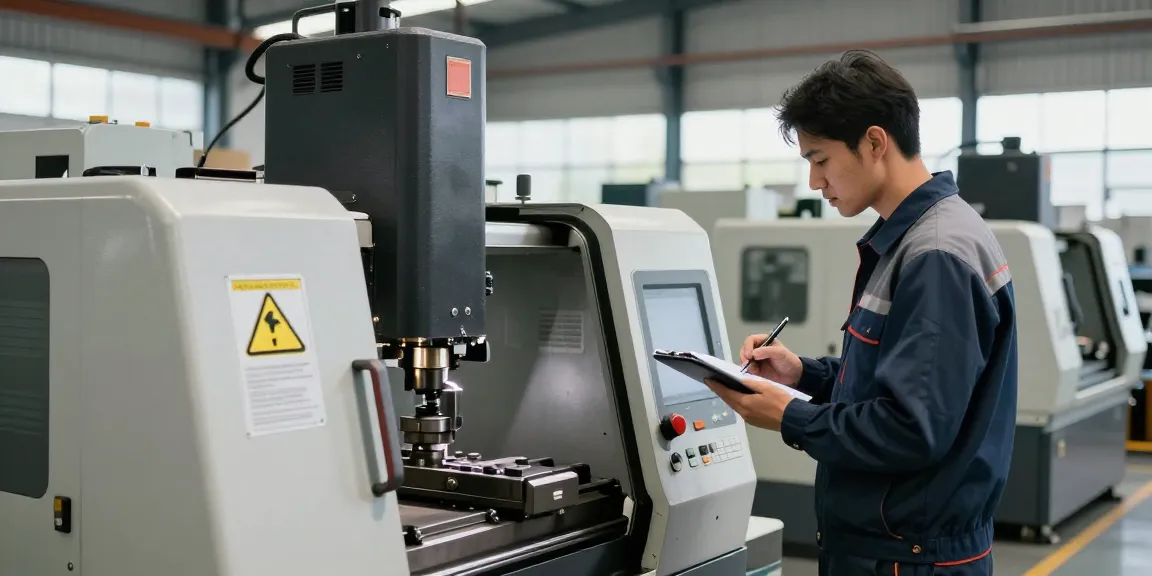
Inspecting used machinery is a critical step in the purchasing process. Buyers should engage in thorough visual inspections, checking for signs of wear, rust, and any potential damages. Additionally, running the machine to test its operational capabilities is advised. It's also beneficial to involve a technician familiar with the machinery type to conduct a more exhaustive review.
Assessing Value: Pricing Strategies
Determining the fair market value of used machinery involves analyzing various factors, including the machine’s age, operational hours, condition, and any historical maintenance or repairs. Use of industry benchmarks can assist buyers in making informed offers. Lastly, negotiation skills play a vital role in securing the best deals.
Common Misconceptions about Used Machinery
Many potential buyers harbor misconceptions regarding used machinery, such as the belief that all used machines are unreliable or that they come with no warranties. In reality, reputable dealers often offer warranties and return policies that can provide confidence in the purchase. Understanding these aspects can alleviate fears and encourage more businesses to consider used equipment.
Buying Gebrauchtmaschinen: A Step-by-Step Guide
Researching Reliable Sellers
Finding trustworthy sellers is crucial in the used machinery market. Potential buyers should conduct thorough background checks on the companies, assessing their reputation, customer reviews, and industry experience. Engaging with local industry groups or forums can yield recommendations for reliable vendors.
Negotiating the Purchase: Tips and Tricks
Negotiation is an art that can lead to beneficial deals. Buyers should prepare by having a clear understanding of the average market prices and be ready to articulate their findings during discussions. Highlighting any identified flaws or potential repairs needed in the machine can provide leverage in negotiations.
Organizing Transport and Delivery
After securing a purchase, arranging transport is the next key step. Buyers should coordinate with the seller for a seamless transfer, considering logistics that ensure machinery is delivered safely and efficiently. Insurance during transport can provide peace of mind against potential damages.
Maintaining Gebrauchtmaschinen: Ensuring Longevity
Routine Maintenance Practices
Regular maintenance is essential for extending the life of used machinery. Following manufacturer guidelines for servicing, conducting routine checks, and maintaining cleanliness can prevent unforeseen breakdowns and enhance performance. Establishing a maintenance schedule can help in keeping machinery in optimal condition.
Identifying Signs of Wear and Tear
Understanding the signs of wear and tear will enable operators to act preemptively. Common indicators include unusual noises, vibrations, decreased efficiency, and visible damage on moving parts. Addressing these symptoms early can prevent larger issues and costly repairs down the line.
Refurbishing Techniques to Extend Equipment Life
For older machinery, refurbishing may be a viable option to enhance performance and extend service life. This can include updating electronics, replacing worn components, and repainting for protection against corrosion. Such investments can yield significant returns in terms of improved efficiency and reliability.
The Future of Gebrauchtmaschinen: Trends and Innovations
Emerging Technologies in Used Machinery
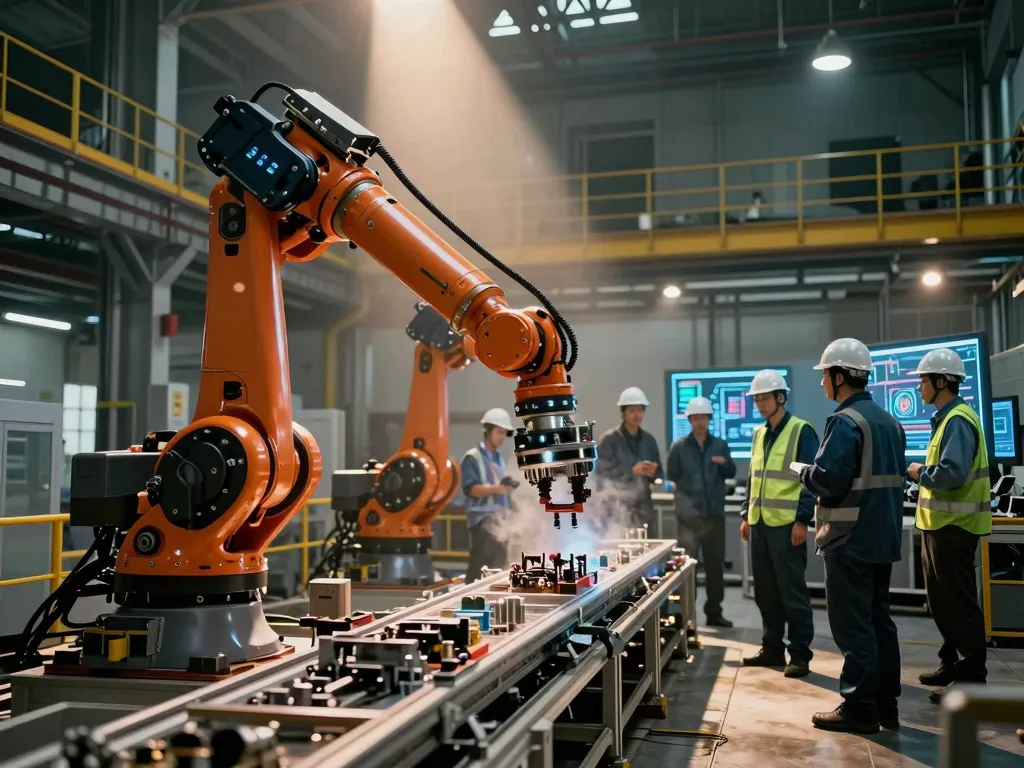
The landscape of used machinery is being shaped by emerging technologies, such as automation and IoT. These technologies allow for smarter operational insights and more efficient processes. Integrating advanced technologies into existing used machines can bridge the gap between cost-effectiveness and modern efficiency.
Sustainability Practices in the Industry
As businesses increasingly focus on sustainability, the demand for used machinery is expected to rise. By purchasing used equipment, companies can significantly reduce their carbon footprint compared to buying new machines. This trend is likely to reshape the perception of Gebrauchtmaschinen, highlighting their role in promoting eco-friendly manufacturing practices.
Market Predictions for 2026 and Beyond
Looking forward to 2026, the used machinery market is poised for growth. Factors such as increased globalization, supply chain challenges, and sustainability imperatives will drive demand for Gebrauchtmaschinen. Businesses will increasingly recognize the benefits of investing in quality used equipment as a strategic move towards operational efficiency and cost savings.
What should I consider when buying Gebrauchtmaschinen?
When considering a purchase, evaluate the machine's history, performance, and ensure it meets your operational needs. Be prepared to conduct thorough inspections and research reliable sellers.
How can I assess the quality of used machinery?
Quality assessment involves detailed inspections, reviewing maintenance records, and understanding the machine's operational history. Engage experts if necessary to ensure a comprehensive evaluation.
Are there financing options for purchasing Gebrauchtmaschinen?
Yes, many vendors offer financing options or leasing plans tailored for businesses looking to acquire used machinery without a significant upfront investment.
How do I ensure proper delivery of my used machinery?
Ensuring proper delivery involves careful planning with the seller regarding transport logistics and potential insurance coverage for damages during transit.
What trends should I watch in the used machinery market?
Keep an eye on the integration of technology in used machines, sustainability practices, and changing market dynamics that influence pricing and availability.